
The Science Behind Pickleball's Addictive Pull — And Why Even Elite Athletes Get Hooked
Flow state psychology explains why pickleball is so addictive — and why even elite athletes from other sports find themselves hooked after just one game. Here's the science.

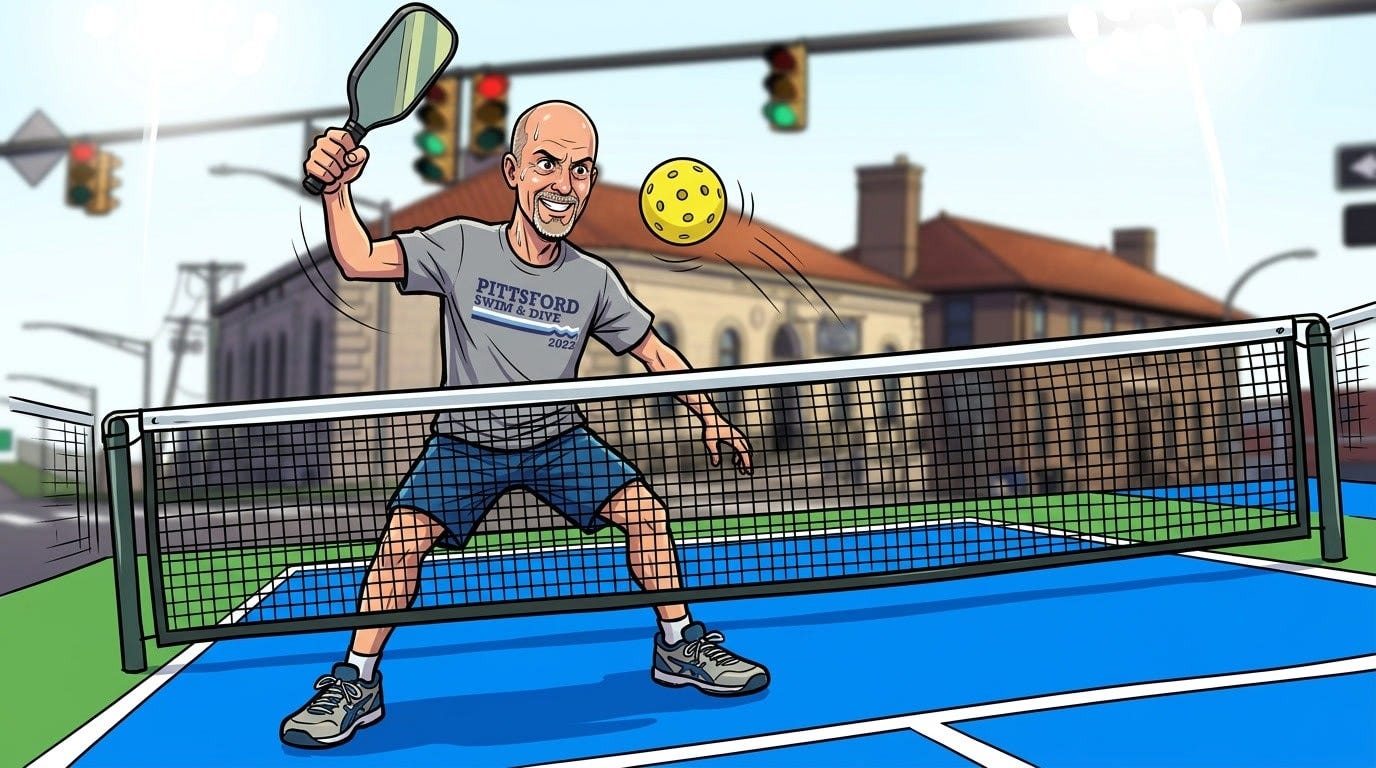
Key Takeaways
Pickleball delivers the psychological flow state — complete mental absorption — in a first session, while tennis and golf lock it behind months of practice.
Grand Slam-level tennis pros like Jack Sock admit the transition is harder than expected because pickleball rewards touch and patience over raw athletic power.
The non-volley kitchen occupies roughly 32% of pickleball's court length — a structural commitment to the soft game that no other major racket sport attempts.
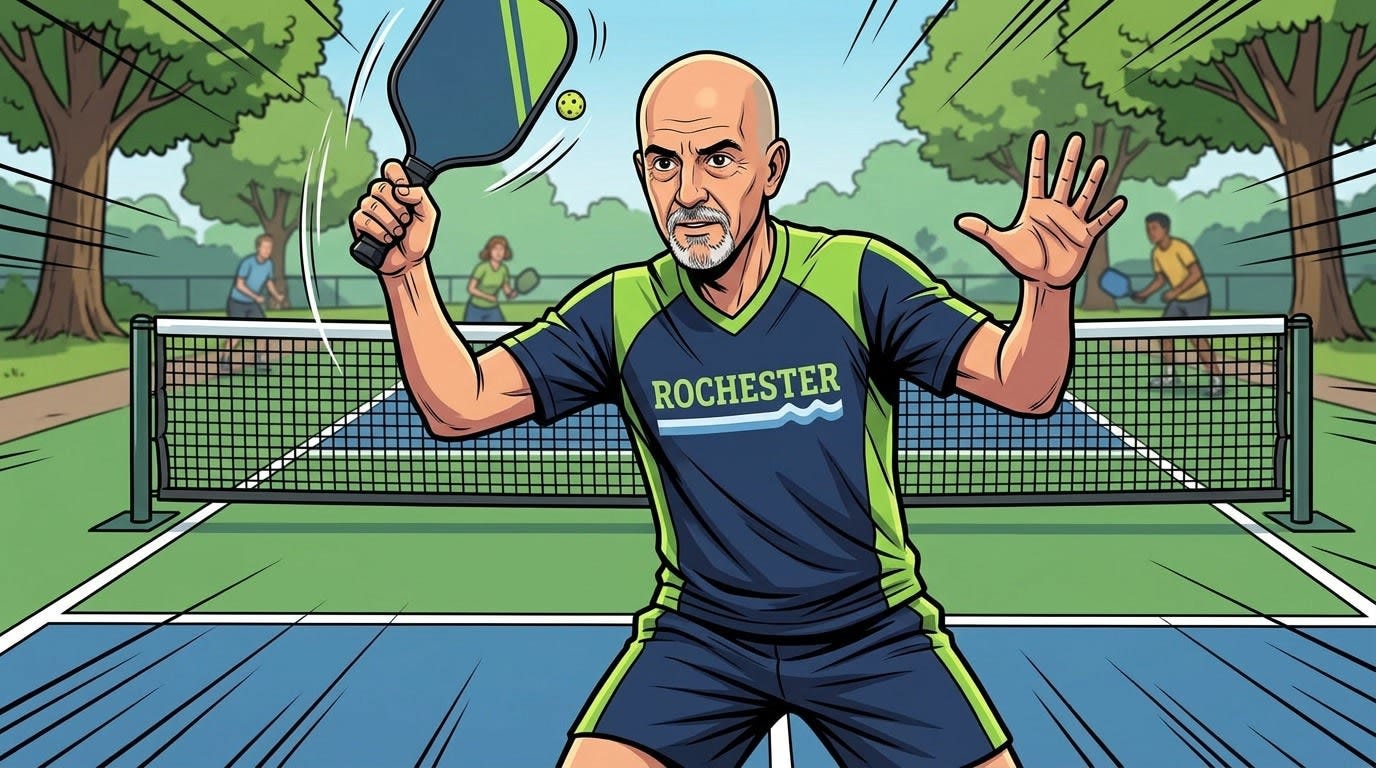
The doubles format pulls all four players into the same shared rhythm, which explains why open play with strangers can feel immediately social and immersive.
The arc from first game to five-days-a-week within four weeks is a predictable flow-state response, not a personality quirk.
Understanding the challenge-to-skill ratio lets you choose opponents, drills, and formats that actually move your game forward instead of just filling court time.
We just published the full deep-dive on pickleballchatbots.com.